Select a category or browse through articles that provide more insight into the practical application of our products.
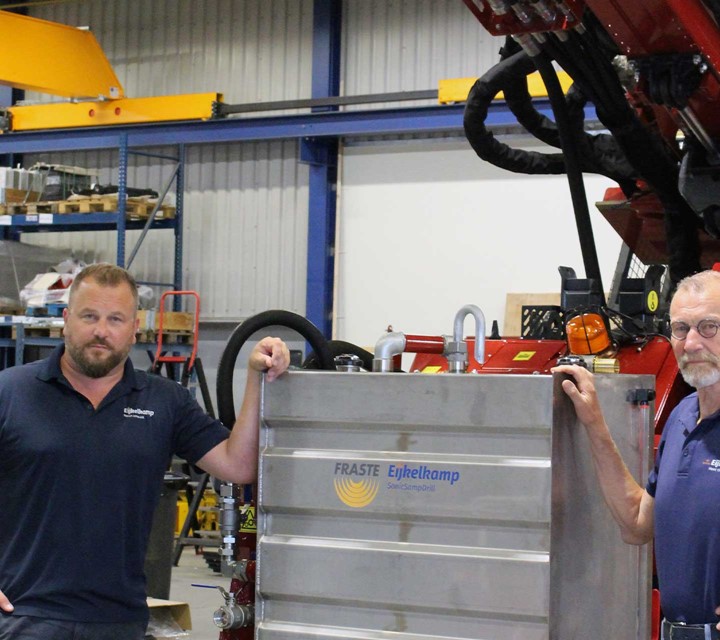
30 years of Sonic at Royal Eijkelkamp: an anniversary to celebrate. Although SonicSampDrill was founded in 2005, development of sonic drilling started much earlier. Just like we constantly innovate to respond to market challenges today, that is also how we first explored this technology. CEO Huug Eijkelkamp and his father Fons, head of the Board of Directors, look back on the early years and how Sonic was built into what it is today.
Toppling cranes, lorries getting stuck causing construction works to come to a standstill, personnel slipping or sinking and then staying home as a result of their injuries; these are some of the dangerous situations that occur when the ground of a construction site has insufficient load-bearing capacity.
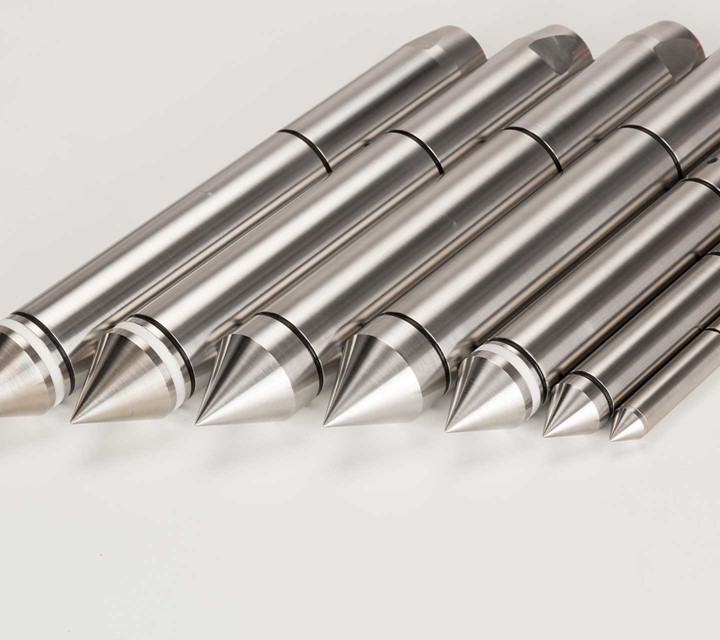
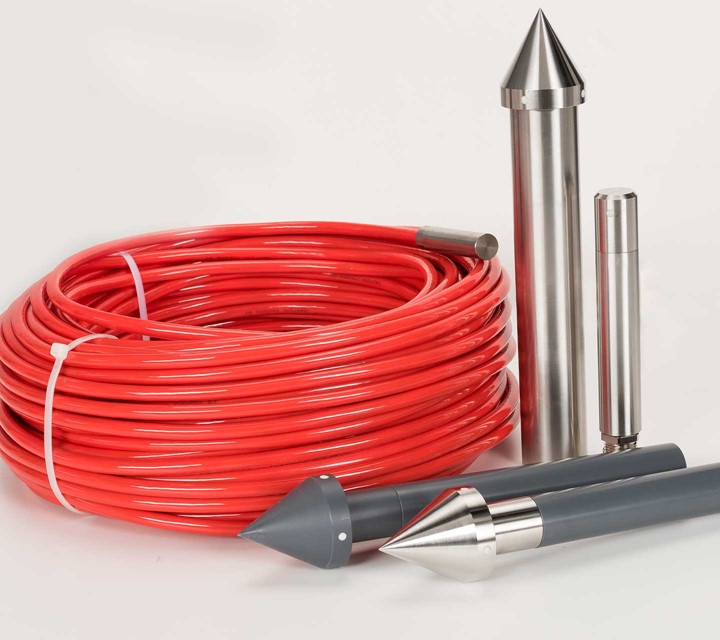
When selecting equipment for a Cone Penetration Testing (CPT) job there is a tendency not to give full consideration to the type of cone used. Often cones are selected based upon what happens to be in the workshop and what is on the shelves of the supplier. Although these are both important, it is perhaps more important to consider the soil type that will be encountered as well as the investigation aims of the project.
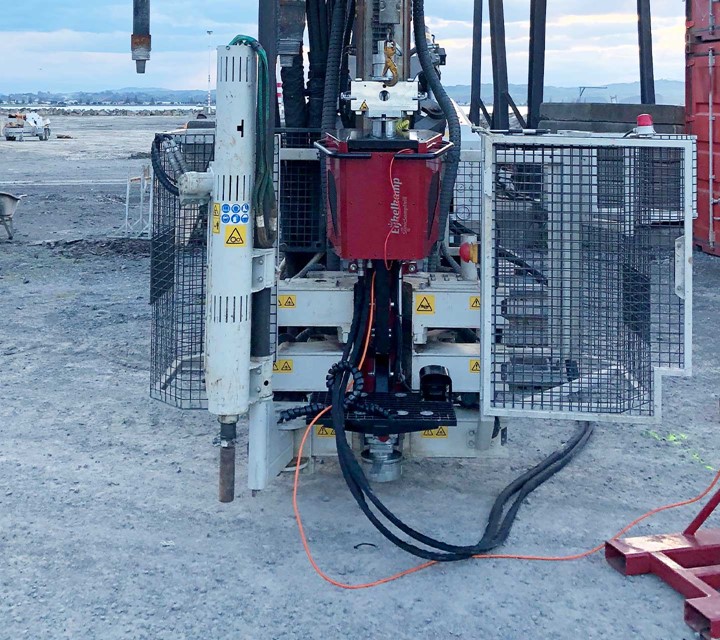
SonicCPT is an exciting and rapidly developing technique from Royal Eijkelkamp that is reducing early refusals in CPT soundings by carefully applying a vibration, when needed, to the CPT string. The technique actually has a history dating back almost 40 years. Royal Eijkelkamp’s expertise in sonic drilling technology has allowed us to take this pioneering work much further and develop into three key areas of application.
The pore pressure is often measured during CPT, along with the cone tip resistance and sleeve friction. This is, however, not the hydrostatic pressure at the cone depth, but rather the dynamic pore pressure. The dissipation test helps to correct these measurements.
Giant hogweed is spreading in rural areas and is increasingly seen as a problem, partly due to the harmful effect of the toxic substance in the sap of the plant on the skin and eyes.