Select a category or browse through articles that provide more insight into the practical application of our products.
While in certain parts of the world Standard Penetration Testing (SPT) is the most widely used geotechnical soil investigation method, it has some limitations. Cone Penetration Testing (CPT) is also a well-proven soil investigation method and is in many instances a more appropriate method than SPT.
CPT data can provide an indication of the soil behaviour, often referred to as Soil Behaviour Type (SBT). It gives a good indication of mechanical characteristics, such as strength and stiffness.
SCPT is a useful soil investigation technique that can provide input for the design of monopiles for offshore wind farms or the tracks for high-speed trains, or to assess the potential impact of seismic activity in areas where that kind of activity is a relatively new phenomenon.
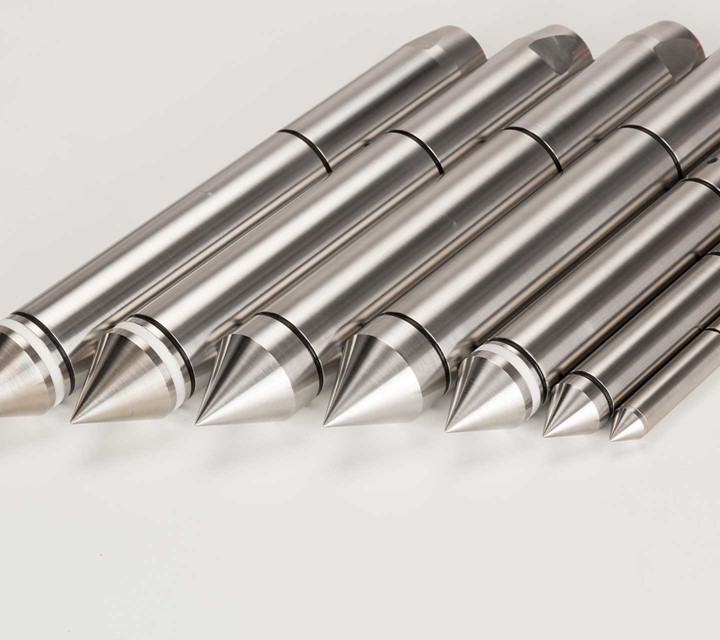
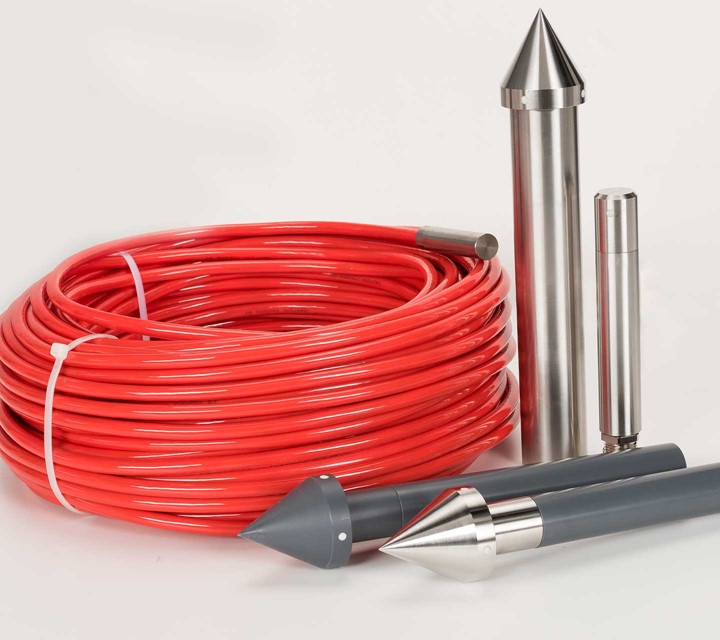
When selecting equipment for a Cone Penetration Testing (CPT) job there is a tendency not to give full consideration to the type of cone used. Often cones are selected based upon what happens to be in the workshop and what is on the shelves of the supplier. Although these are both important, it is perhaps more important to consider the soil type that will be encountered as well as the investigation aims of the project.
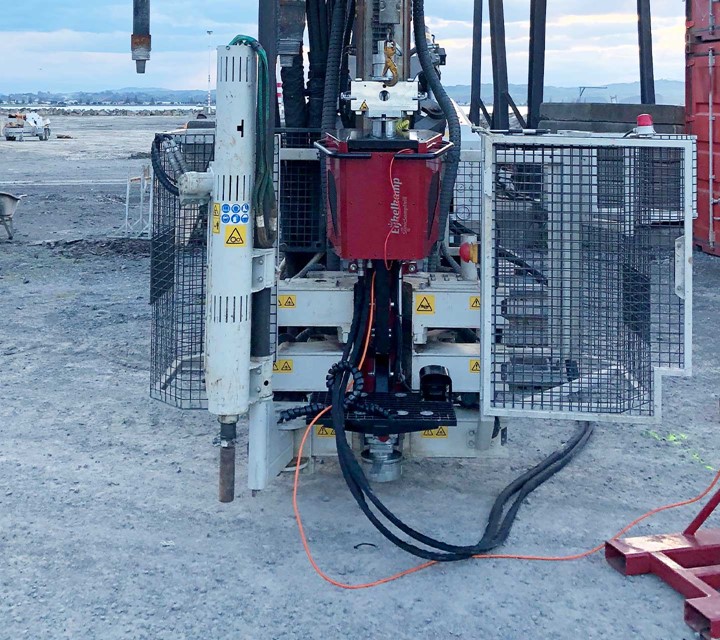
SonicCPT is an exciting and rapidly developing technique from Royal Eijkelkamp that is reducing early refusals in CPT soundings by carefully applying a vibration, when needed, to the CPT string. The technique actually has a history dating back almost 40 years. Royal Eijkelkamp’s expertise in sonic drilling technology has allowed us to take this pioneering work much further and develop into three key areas of application.
The pore pressure is often measured during CPT, along with the cone tip resistance and sleeve friction. This is, however, not the hydrostatic pressure at the cone depth, but rather the dynamic pore pressure. The dissipation test helps to correct these measurements.