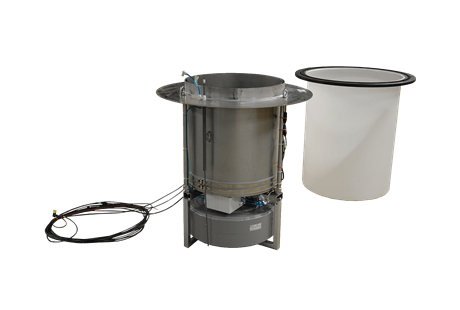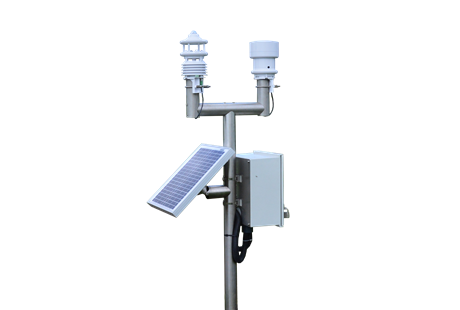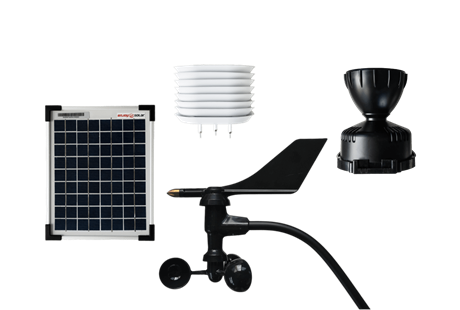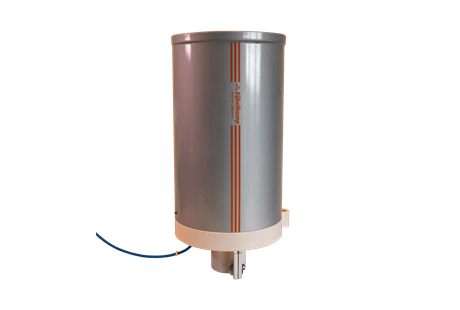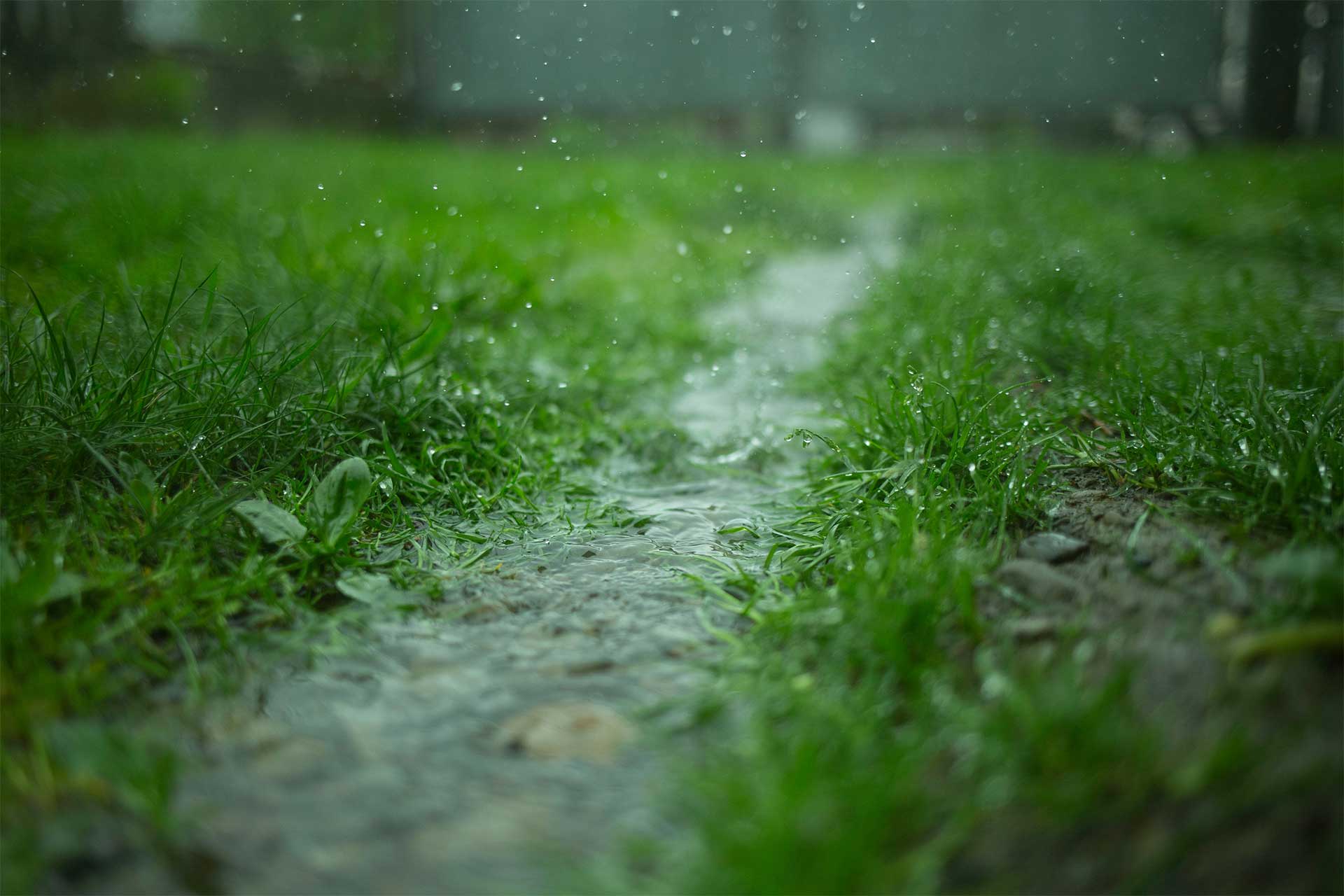
Evaporation and precipitation are the foundation of the hydrological cycle — but evaporation is notoriously difficult to measure. The Smart Lysimeter was specially designed to measure evapo(transpi)ration. Combined with our weather sensors, it helps to offer a clear view of this important part of the water cycle.
Evaporation and precipitation are the two dominant forces shaping the water balance in agriculture, hydrology, and climate‑resilient land management. While precipitation is visible and easy to quantify, evaporation is not. Evaporation is an invisible water loss, which makes it difficult to respond to and anticipate.
This invisibility is precisely why accurate measurement is essential. Misjudging evaporation leads to poor irrigation decisions, crop stress, and inefficient water use.
Evaporation (and plant transpiration, together called evapotranspiration) is the process by which water moves from soil and vegetation into the atmosphere. It is influenced by:
Traditional models rely heavily on meteorological data, but these can deviate in dry and hot periods, causing models and reality to diverge.
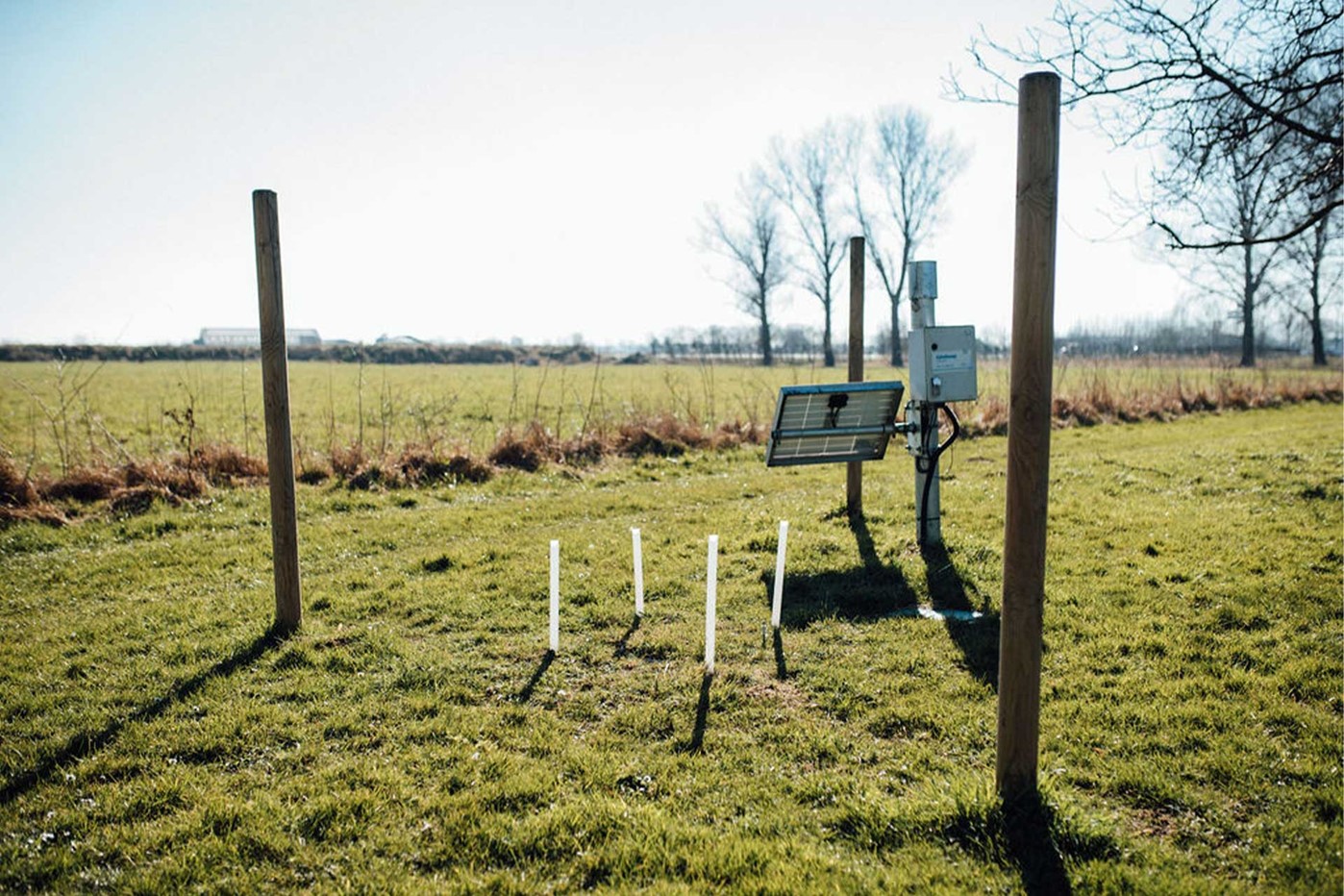
The Lysimeter is filled with an undisturbed soil monolith and buried
Evaporation is dynamic, invisible, and highly sensitive to microclimates. Even fields only meters apart can show different evaporation rates. Assumptions are often made about evaporation and moisture loss, leading to estimation errors.
This is especially problematic in:
While atmospheric methods (eddy covariance, scintillometry, energy balance) provide estimates, none are as accurate as a lysimeter.
The Smart Lysimeter measures:
It does this using an undisturbed soil monolith, preserving natural structure and root behavior.
By measuring crop evaporation, you discover where the wilting point lies — the soil moisture percentage at which the plant can no longer absorb water. This allows irrigation to be based on data, not guesswork.
Beyond evaporation, the Smart Lysimeter helps quantify soil water storage capacity — the buffer available before groundwater reaches the surface.
This is crucial for:
Precipitation includes all forms of water falling from the atmosphere:
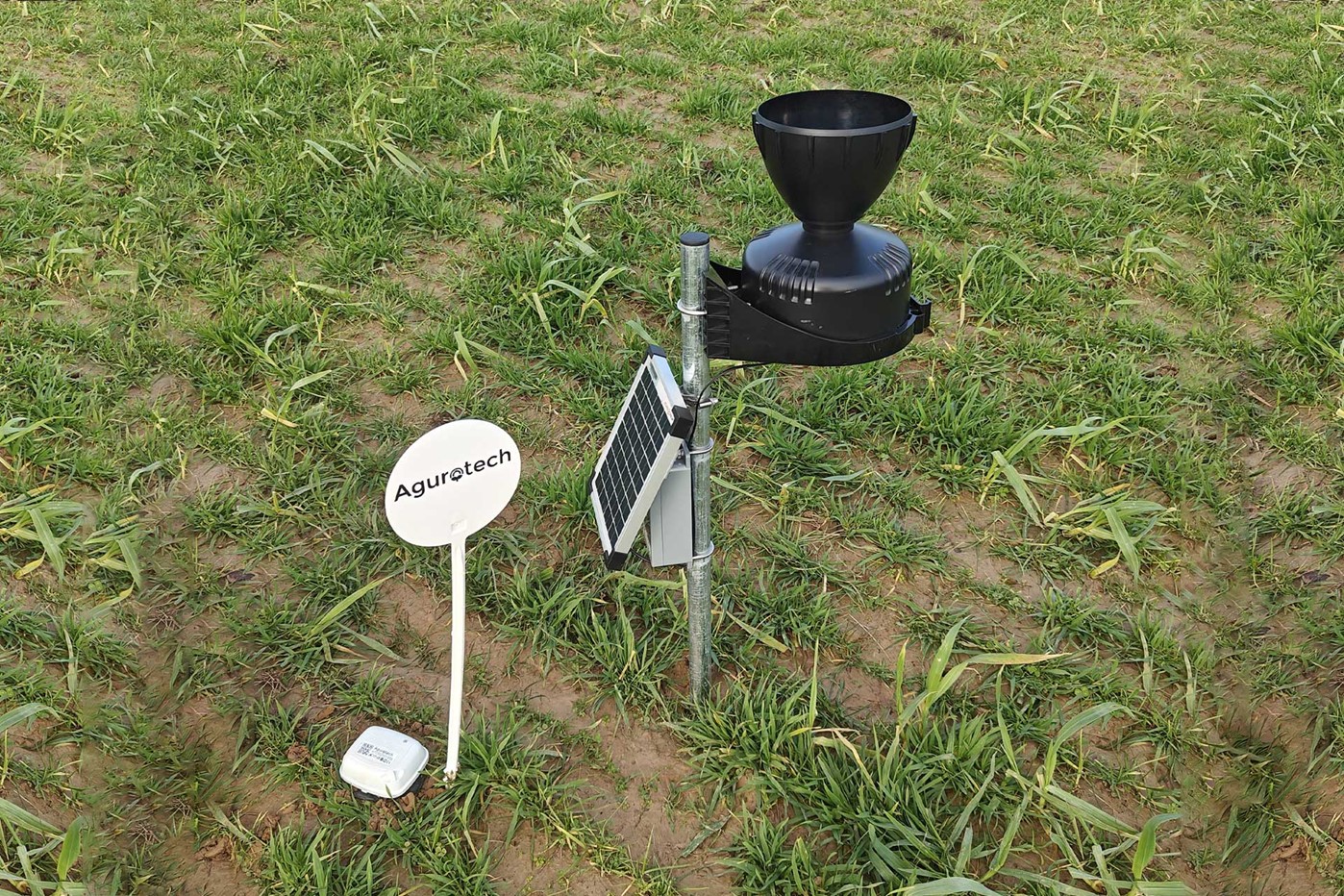
Accurate precipitation measurement is essential for understanding the input side of the water balance. The Rain Gauge is an accurate tool for this. It provides precipitation measurement at a specific location. The collector is designed in compliance with recommendations by the World Meteorological Organization (WMO). Water does not splash out and it has the option to add a heating element, allowing for accurate measurements of snow and hail once it's melted.
To understand evaporation and precipitation in context, weather data is essential. Royal Eijkelkamp offers a selection of sensors that have been specially developed for this purpose.
A compact, all‑in‑one weather station for measuring multiple meteorological parameters: temperature, relative humidity, air pressure, wind direction, wind speed, radiation, and rain/precipitation quantity. This weather station is ideal for:
A modern, connected weather station that integrates with digital platforms for:
Data about evaporation and precipitation can be used for:
The combination of Lysimeters and Weather Sensors provides a complete insight of the water balance.
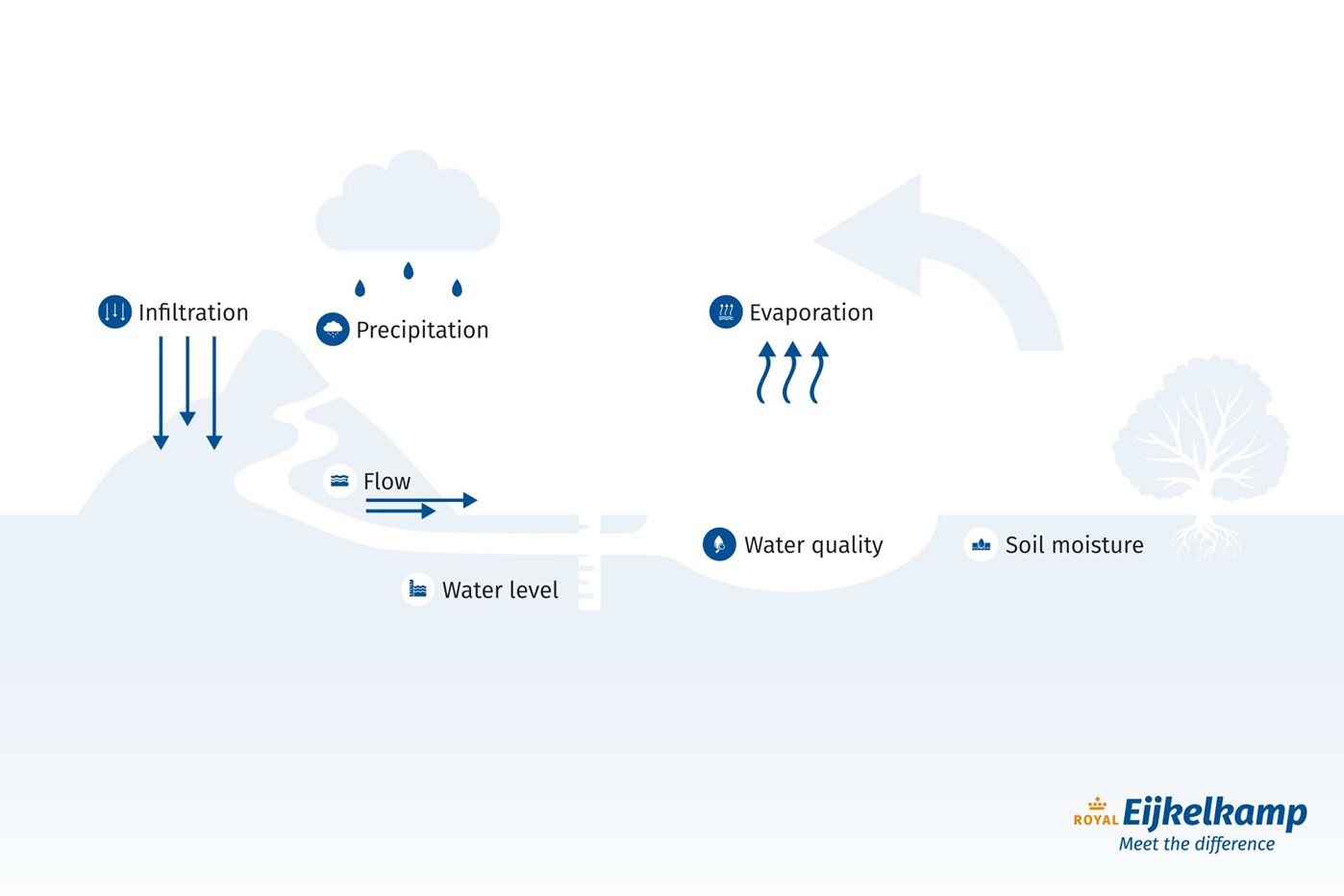
Royal Eijkelkamp offers solutions for the complete water cycle