We love to share! Both our solutions and our knowledge. We share our vision of the latest developments, but we are also happy to dive in and take you with us. And if you just want to read the latest news about us? You can do that here.
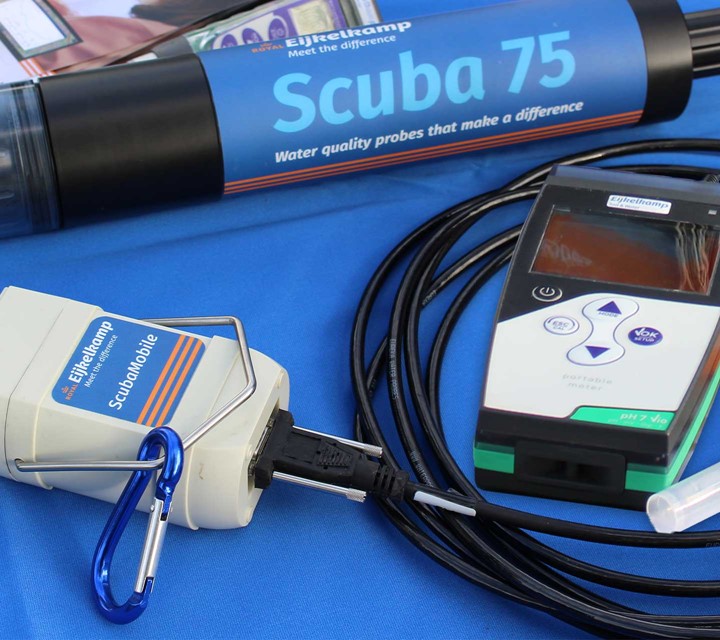
Measuring equipment for water quality is becoming increasingly advanced. Some meters can be equipped with up to 13 different sensors. But is it always necessary to measure so many? Which parameters should you investigate in which situation? In this article we will examine various water problems and their corresponding parameters.
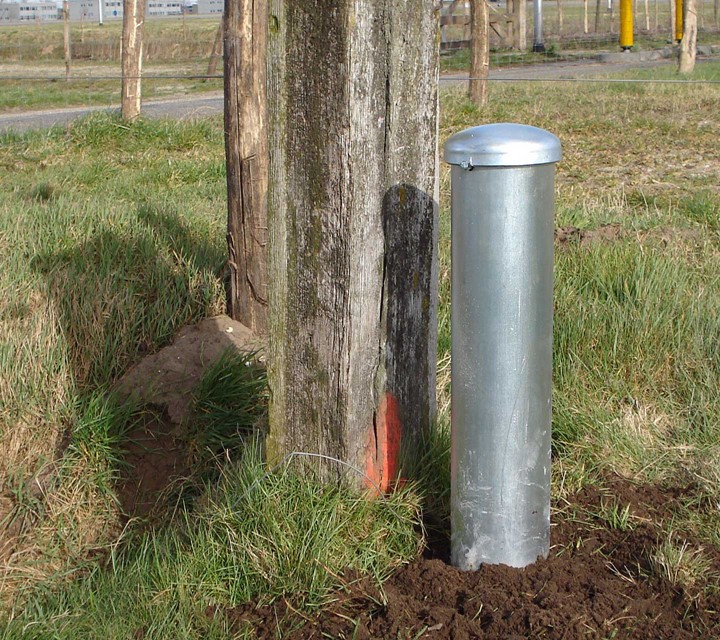
The biggest risk of not knowing how much groundwater there is, is using up too much. Constant monitoring provides the data necessary to make groundwater use responsible and sustainable. In addition, it can serve as a guideline for the decision making process concerning spatial planning and climate change adaptation.
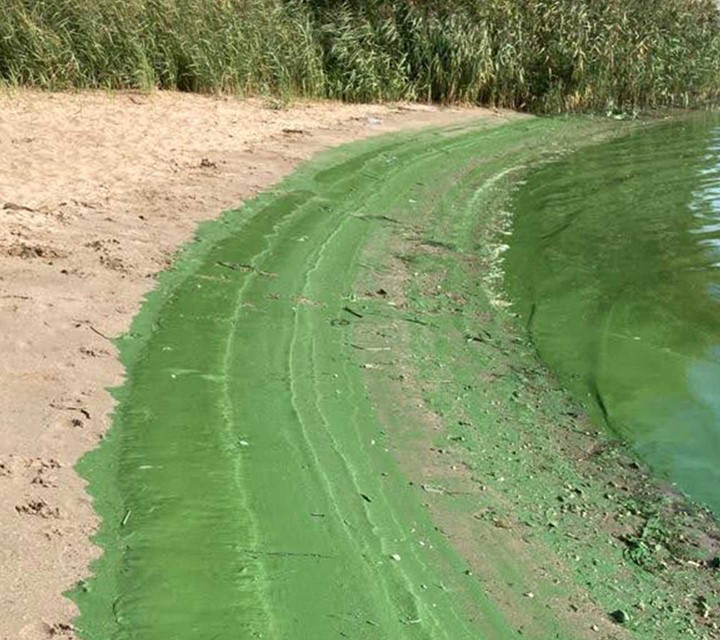
When the days get warmer in spring and summer, the risk of blue-green algae, or cyanobacteria, increases. The growth of blue-green algae is a sign that the water quality is declining: there are more nutrients such as nitrogen and phosphorus in the water on which these bacteria thrive. Many species of blue-green algae produce toxic substances that are harmful to humans and animals.