We love to share! Both our solutions and our knowledge. We share our vision of the latest developments, but we are also happy to dive in and take you with us. And if you just want to read the latest news about us? You can do that here.
While in certain parts of the world Standard Penetration Testing (SPT) is the most widely used geotechnical soil investigation method, it has some limitations. Cone Penetration Testing (CPT) is also a well-proven soil investigation method and is in many instances a more appropriate method than SPT.
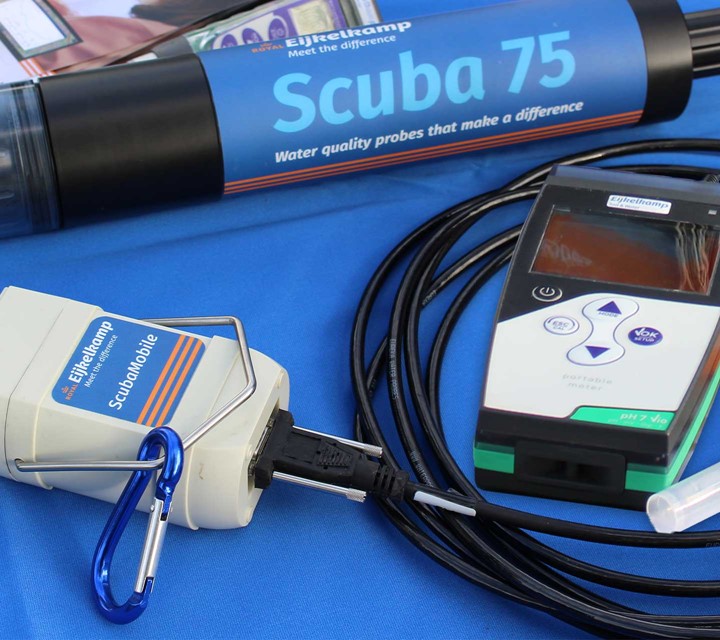
Measuring equipment for water quality is becoming increasingly advanced. Some meters can be equipped with up to 13 different sensors. But is it always necessary to measure so many? Which parameters should you investigate in which situation? In this article we will examine various water problems and their corresponding parameters.
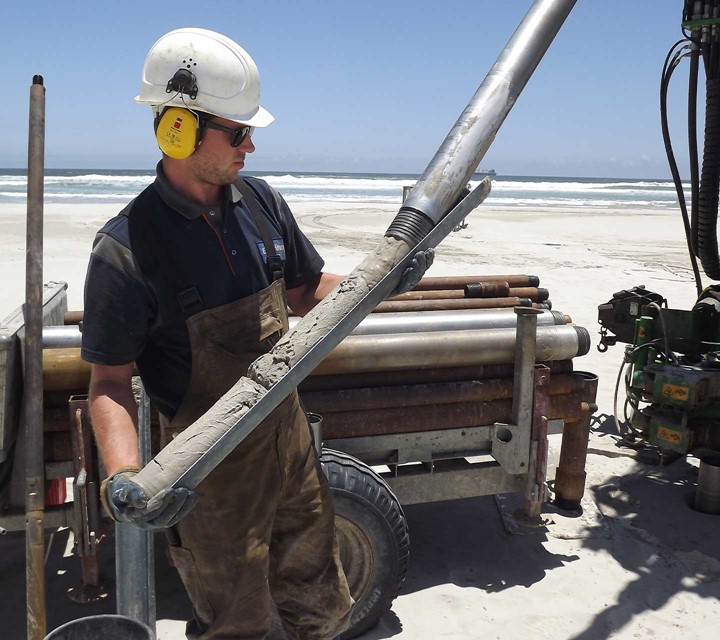
Sonic drilling is increasingly becoming the drilling method of choice in our industry. If sonic drilling is still new to you, this article provides an overview of how sonic drilling works, its benefits, and what it can be used for.
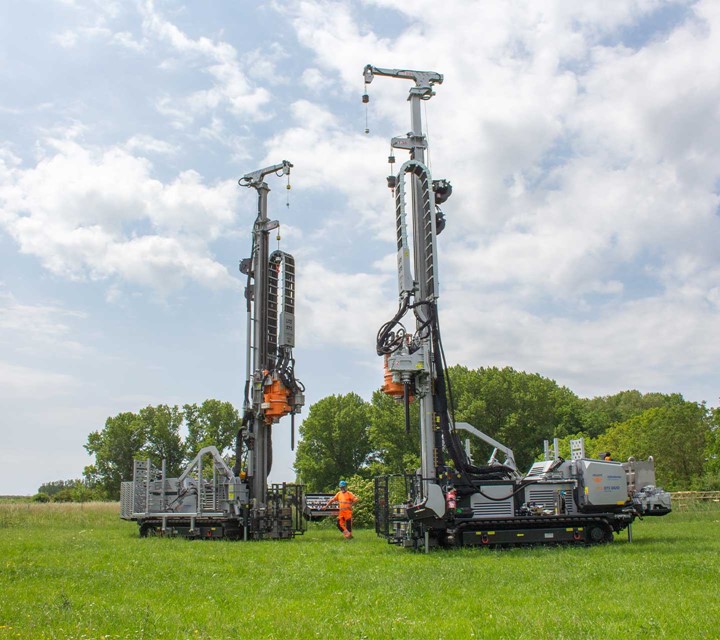
Wim Kooij is one of our first Sonic operators and has gained experience with the technique since 2007. First in the workshop, then in the field. He has drilled all over the world and trained dozens of drillers.
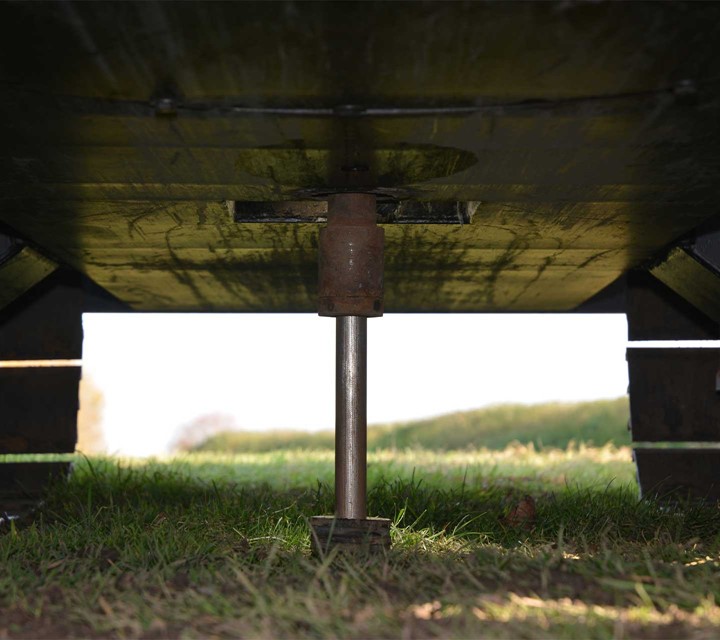
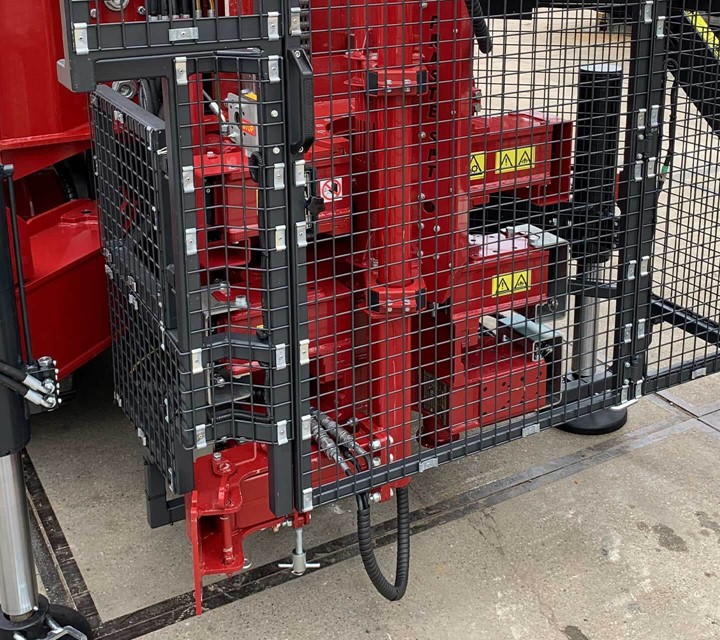
Focusing on the safety of your crew does not just mean fewer injuries; it also makes financial sense. That’s why we adhere to the motto: “Safety isn’t expensive, its priceless!” Our machines are designed to be even more safe and ergonomic than safety standards. If you ask us, these are the safety features that every Sonic rig needs.
The biggest risk of not knowing how much groundwater there is, is using up too much. Constant monitoring provides the data necessary to make groundwater use responsible and sustainable. In addition, it can serve as a guideline for the decision making process concerning spatial planning and climate change adaptation.